That Ol' Loudness War Ain't Winnin' No Hearts: Why Cranking Your Radio Spot Kills It (And How Smart Sound Saves The Day)
Ever wonder why your slick radio spot gets ignored on a smartphone? It ain't about volume anymore, bless your heart. It's about dynamic range, clarity, and hookin' 'em in the first three seconds. We're talkin' about keepin' that brand message loud and clear without soundin' like a tin can full of angry bees.
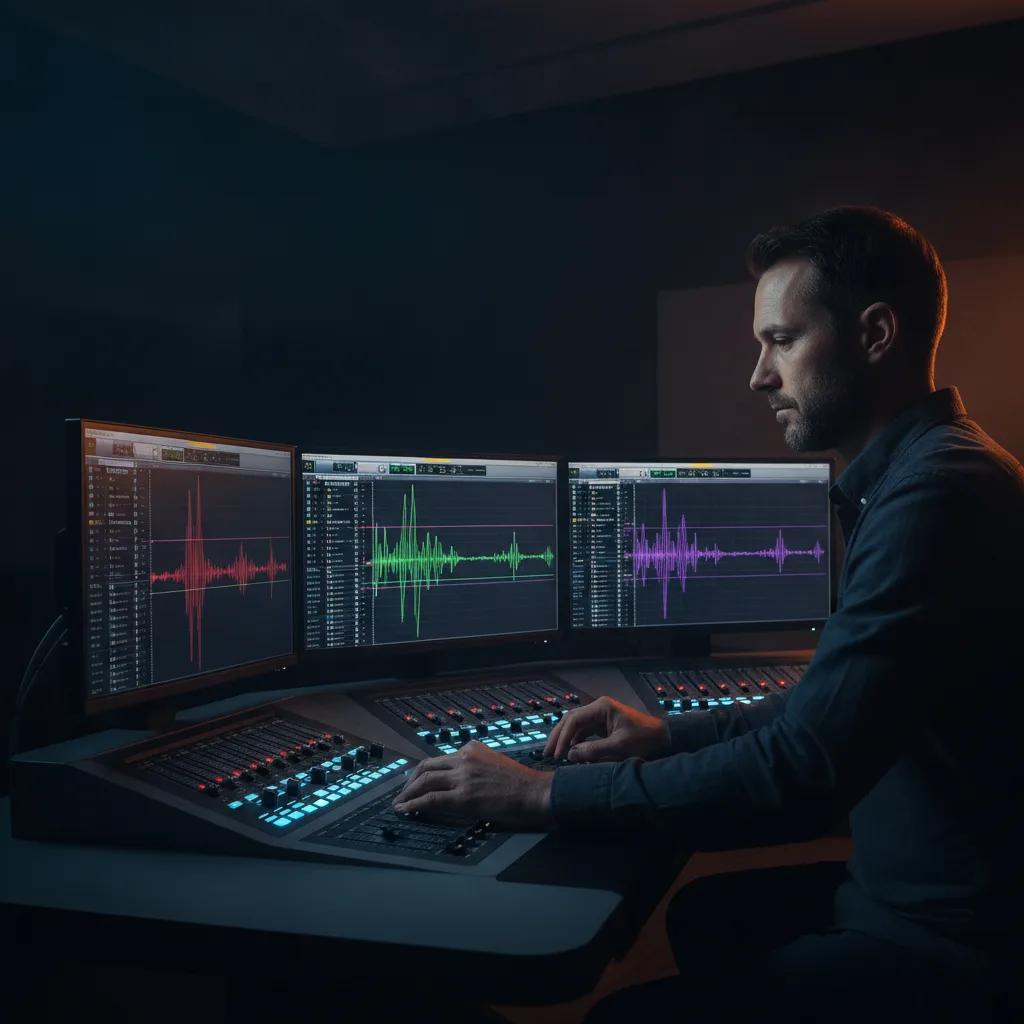
Alright, y'all, gather 'round the console 'cause ol' Hank's got somethin' to say about the state of radio spots on these here cell phones. For decades, we chased those gain peaks, pushin' the faders 'til the meters glowed red like a Texas sunset. The idea was simple: louder meant heard. But lemme tell ya, the digital age, especially with everyone glued to their tiny mobile screens and earbuds, done flipped that whole notion on its head. Masterin' a radio spot to the absolute limit for loudness ain't just old school; it's self-sabotage. You flatten that beautiful dynamic range, turnin' a rich, warm mix into a harsh, fatiguin' blob of sound. All that careful voiceover work, that perfectly placed bed music, that subtle delay tail on the FX? Gone. Crushed. You might be loud, but darn it, you're soundin' cheap, and that's a mighty poor reflection on any brand.
The Three-Second Test: Winning Over the Modern Ear
Now, let's talk about the attention span of your average listener, especially when they're swipin' through feeds or got a dozen apps hummin' in the background. If your commercial break – that 'tanda comercial' – don't grab 'em by the ear in the first three seconds, you might as well be playin' static. A powerful impact FX, an energetic voiceover that pops right out, a perfectly timed musical sting – that's your golden ticket. Without that instant connection, that 'oomph,' their finger's gonna slide to the next thing, and your brand's message is gonna get lost in the digital ether. We've seen it time and again in our field studies on radial consumer psychology: if the initial impact is flat, the message has already lost its punch before it's even truly begun. It ain't enough to just be 'on air'; you gotta be 'on fire,' right from the jump.
This is where intelligent processing rides in like a knight in shining armor. Forget just squashing the waveform. We're talkin' about adaptive leveling, multi-band compression that breathes, spectral shaping that sweetens the voice without muddyin' the bed. It's about achieving that perfect balance where your spot has perceived loudness without sacrificing clarity or dynamics. Our research shows that a professionally processed message, with its pristine clarity and perfectly managed dynamics, boosts brand recall by a staggering 40%. That's a huge difference, folks! And here's a little secret for ya: tools like the intelligent radio assistant from SONODIT are now automatin' this high-level audio engineering in the cloud. It's like havin' an expert audio engineer, honed over thousands of nights at the console, makin' sure every single element – from the 'pisador' to the main voice – is perfectly integrated and pristine, all in a matter of seconds. It's about deliverin' that master fidelity, every single time, without me or you spendin' hours limin' every last audio file.
The bottom line? In the mobile era, clear, dynamically rich audio, hooked in the first three seconds, beats brute-force loudness every single time. It's not just about being heard; it's about being remembered, and intelligent processing is the secret sauce to make that happen, boosting your brand's footprint dramatically.
Smart Radio Studio
Try our localized Southern AI radio producer today!