The Sonic Chasm: How Ultra-Realistic AI Voices Are Crushing Home Studio Hype in Commercial Radio – And Why Your Bottom Line Depends On It.
From signal chain grit to the pristine polish of cloud-powered algorithms, we dissect the measurable acoustic advantages of AI-driven voiceovers over raw, unoptimized home recordings. Discover how a veteran sound designer's ear is now replicated at scale, delivering unparalleled commercial impact.
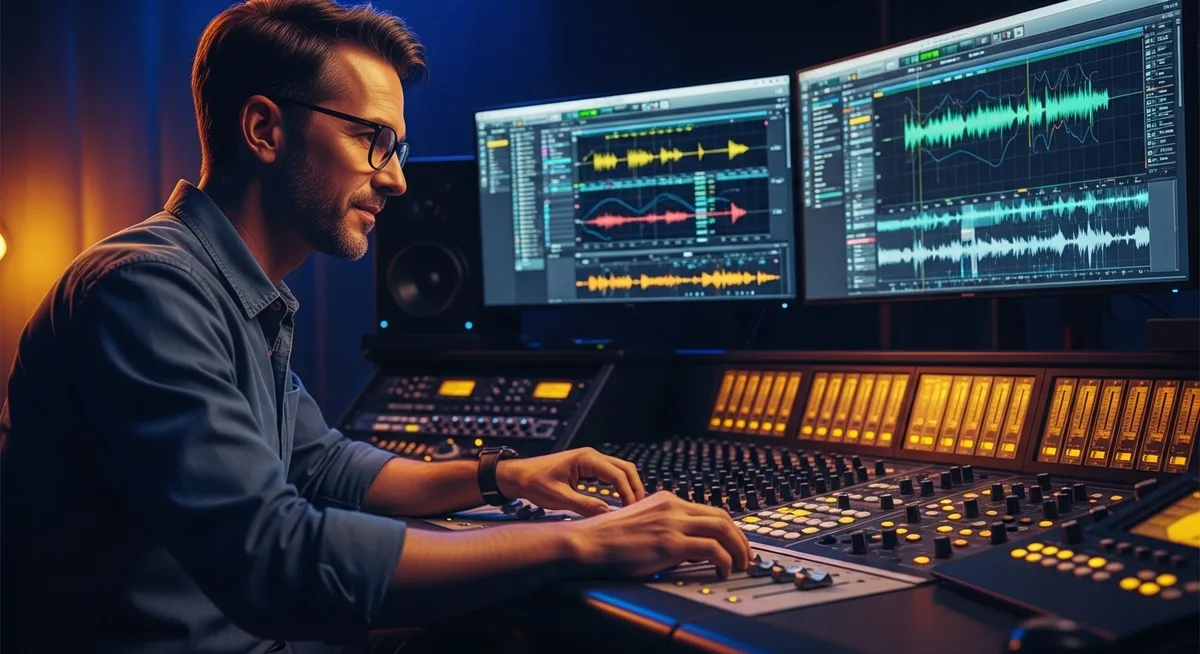
Look, I've spent thousands of nights glued to the monitors, chasing that elusive sonic perfection – nudging faders, carving EQs, and praying the raw voice track wasn't crippled by room reflections or a neighbor's lawnmower. The rise of home recording promised accessibility, but often delivered a 'sound' that fell flat against the polished grandeur of major brand spots. Now, we're at an inflection point. The advent of ultra-realistic AI voices, processed with surgical precision in the cloud, isn't just an alternative; it's a paradigm shift threatening to flat-out obliterate the sonic credibility of unoptimized, common-mic recordings.
The Sonic Chasm: AI's Precision vs. Home Studio Peril
This isn't just about 'sounding good.' This is about commercial efficacy. Picture a pristine, high-fidelity AI timbre, meticulously processed through a premium signal chain in the cloud. It punches through the commercial break clutter with an authoritative clarity, every word articulated, every nuance preserved. Compare that to a raw home recording: the muddy low-mids from a cheap condenser, the distracting room noise – a 'bache' of background hum – the uncontrolled gain peaks, or the tell-tale echo that screams 'amateur.' That acoustic disconnect doesn't just annoy, it erodes listener trust and diminishes your ad's punch-through factor. Your brand's sonic signature is critical; a fuzzy, ill-defined voice is a direct hit to your message's perceived value.
The Algorithmic Ear: Decoding Commercial Success
The magic lies in how balanced algorithms are now emulating the seasoned ear of a veteran radio sound designer. These cloud-based engines aren't just applying presets; they're analyzing dynamic range, optimizing compression ratios, sculpting EQ curves, and even managing spatialization to create a 'locked-in mix' that sounds like it just rolled off a mastering console. Tools like SONODIT's intelligent radio assistant leverage this sophisticated engineering, automating these critical processing chains in the cloud. What used to take hours of painstaking fader riding, de-noising, and spectral editing – chasing that perfect 'cola de delay' on an impact FX – can now be rendered impeccably in seconds, optimizing both time and cost for local ad agencies without compromising master fidelity. It's the ultimate blend of human expertise encoded into silicon.
"In the fiercely competitive landscape of radio advertising, acoustic fidelity isn't a luxury; it's the bedrock of commercial impact. Ultra-realistic AI voices, refined by cloud-based processing that mirrors a veteran engineer's touch, offer an unparalleled advantage, delivering pristine clarity and maximizing ROI where unoptimized home recordings falter."
Smart Radio Studio
Test the smart AI radio producer assistant today!