The Sonic Paradox: Why 'Loudness War' Masters Fail on Mobile and How AI Delivers Pristine Streaming Audio
Aggressive dynamic compression, once a broadcast standard, now distorts on personal devices. Discover the engineering insights and AI-driven solutions to achieve optimal, uncompromised audio fidelity for today's digital listeners.
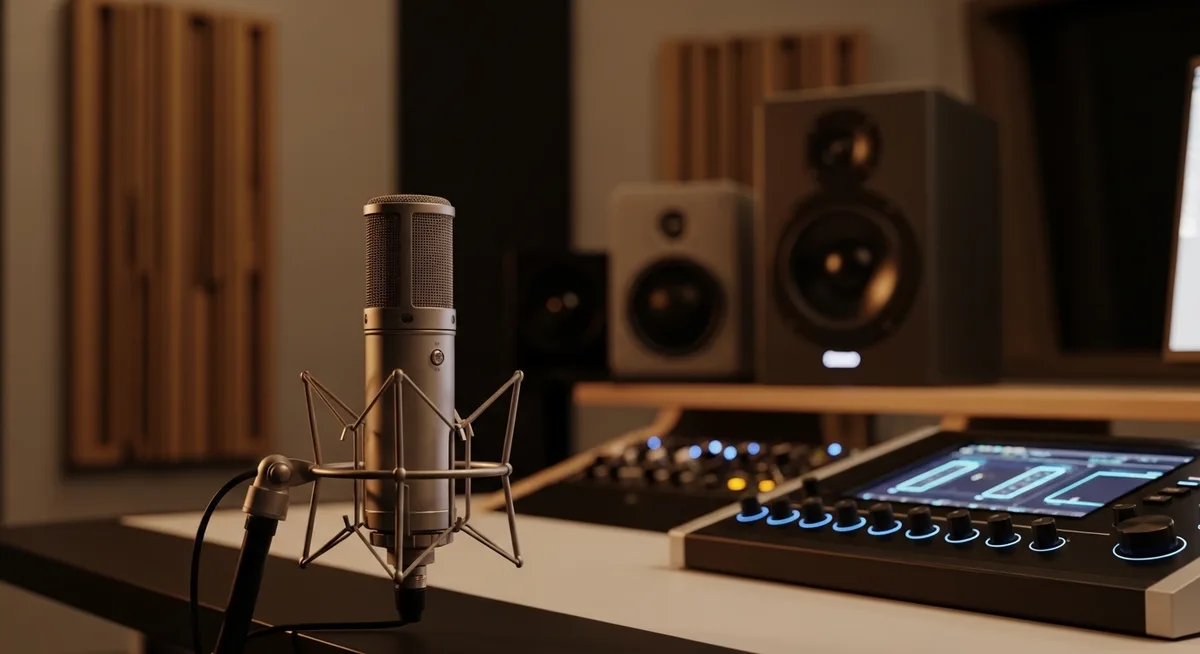
In the relentless pursuit of 'loudness'—a phenomenon dubbed the 'Loudness War'—audio engineers historically pushed dynamic compression to its limits, aiming for maximum perceived volume. While this approach might have garnered attention on traditional radio broadcasts, it fundamentally clashes with the nuanced playback environments of modern streaming platforms and, critically, personal mobile devices. When an overly compressed track, flattened of its dynamic peaks and valleys, is then re-compressed by a streaming service and played through a smartphone's diminutive speakers or even high-quality earbuds, the result is often saturation, harshness, and listener fatigue, rather than impact.
For marketers, understanding this engineering reality is paramount. Mobile devices, with their inherent physical limitations and often lossy audio codecs, have a finite headroom. When a master already suffers from significant inter-sample peaks and a lack of dynamic range due to heavy compression, these devices and codecs struggle to reproduce the audio cleanly. Instead of perceived loudness, the output becomes distorted, clipped, and grating—a complete antithesis to the engaging experience brands strive to create. Modern streaming services also employ loudness normalization (typically around -14 LUFS), meaning an overly loud master will simply be turned down, potentially losing its perceived punch without gaining any actual benefit, and still sounding subpar due to the initial over-processing.
Beyond the Decibels: The AI Advantage for a Balanced Master
The solution lies in a more intelligent, balanced approach to dynamic processing. Leveraging artificial intelligence, audio mastering can now move beyond brute-force compression to a state of optimized clarity and impact across all playback scenarios. AI-powered tools can analyze audio content in real-time, identify and preserve crucial transients, and intelligently adjust dynamic range to meet target loudness standards (like LUFS) without sacrificing the natural life and detail of the sound. This ensures that your audio content, whether an advertisement or a podcast, sounds vibrant and clear, not saturated and harsh, on everything from a high-end studio monitor to the smallest smartphone speaker. Platforms like SONODIT exemplify this shift, automating the complex task of achieving a perfectly balanced master, enabling brands to consistently deliver premium sound quality with unprecedented efficiency.
Achieving sonic excellence in the mobile-first era demands a strategic shift: embracing AI-powered dynamic processing to deliver a clean, impactful master that respects both your audience's ears and the limitations of modern playback devices.
Smart Radio Studio
Test the smart AI radio producer assistant today!