The Invisible Millisecond: Why Your Over-Compressed Radio Spot Dies on Mobile and What Intelligent Processing Saves It
In the cutthroat world of radio advertising, the battle for listener attention is waged on tiny screens and through smartphone speakers. Discover why slamming your spot to the limit sabotages its impact, and how precision audio engineering ensures your message not only gets heard but truly resonates.
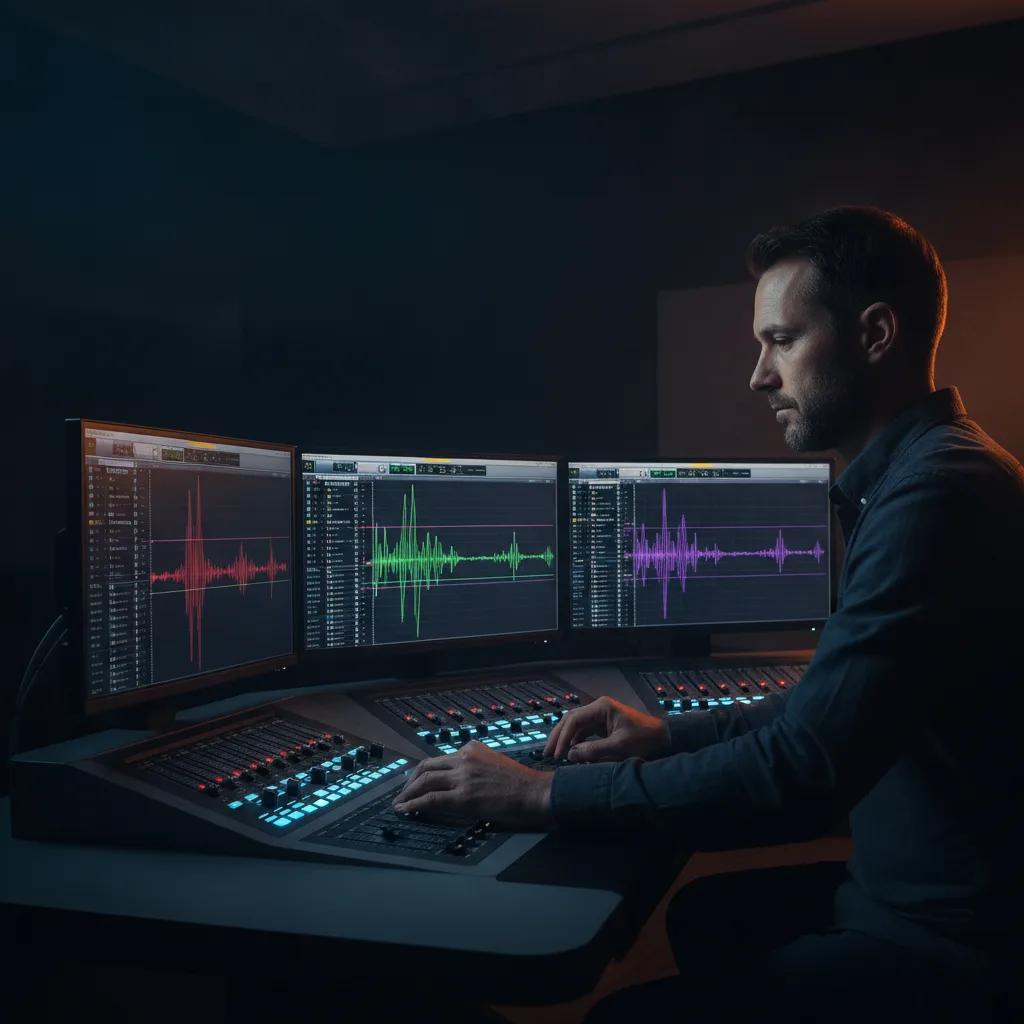
Alright, let’s get real for a minute. For years, the mantra in broadcast was "loud is proud." We’d push those gain peaks, squash the dynamic range, and ride the faders to deliver a commercial block that punched through the mix. But wake up! The game has changed. Your carefully crafted radio spot, mastered to within an inch of its life for traditional airwaves, often turns into an unrecognizable, fatiguing mess on a listener’s mobile device. This isn't just about sounding bad; it's about losing the war for attention in the crucial first three seconds.
The Mobile Paradox: When Louder Isn't Clearer
Think about it. Listeners are increasingly tuning in via streaming apps, often with built-in normalization algorithms that can utterly butcher an over-compressed file. What you intended as a powerful, high-fidelity master becomes a wall of sonic mud, stripped of its nuance and impact. The old 'slam it to the wall' approach obliterates critical dynamic range, making the voiceover indistinguishable from the music bed. We've seen it time and again: a field study on radial consumer psychology revealed that clarity from professionally processed messages can boost brand recall by a staggering 40%. And yet, so many spots still hit the airwaves lacking that crucial initial punch – that impact FX or energetic voiceover – within the first three seconds, essentially inviting listeners to tune out before the message even begins.
Precision Processing: The Art of the Perfect Punch
So, what’s the fix? It’s intelligent processing. We're talking multi-band compression, surgical EQ, and transparent limiting that shapes the sound, rather than crushes it. It’s about creating a 'locked mix' where the voice has presence, the music bed ducks smoothly but still retains its character, and those critical impact FX hit hard without distorting. It’s about understanding that a balanced, dynamic spot, crafted with meticulous attention to detail, will inherently sound louder and clearer across *all* playback environments, especially on mobile. This level of nuanced engineering, historically requiring hours in a studio, can now be achieved with cloud-based intelligent audio assistants like SONODIT, automating the complex journey from raw recording to broadcast-ready, dynamically balanced, and compliant perfection in seconds.
In today’s mobile-first world, sacrificing dynamic range for raw loudness is a fatal flaw. Intelligent audio processing, coupled with an impactful opening, is no longer a luxury—it’s the cornerstone of effective radio advertising and superior brand recall. Get it right, and your message cuts through; get it wrong, and you're just adding to the noise.
Intelligent Radio Studio
Try the smart Canadian AI radio producer assistant!