The Acoustic Chasm: Why 'Good Enough' Home Vocals Are Killing Your Brand's Vibe (And How AI Is Throwing a Lifeline)
Forget the endless debates, mates. The battle between muddy home-recorded voice tracks and cloud-rendered AI perfection isn't just about tech; it's about cold, hard brand recall. A field study on radial consumer psychology reveals a startling truth: message clarity, professionally processed, rockets brand recall by a whopping 40%. This isn't just theory; it's the bedrock of effective radio advertising.
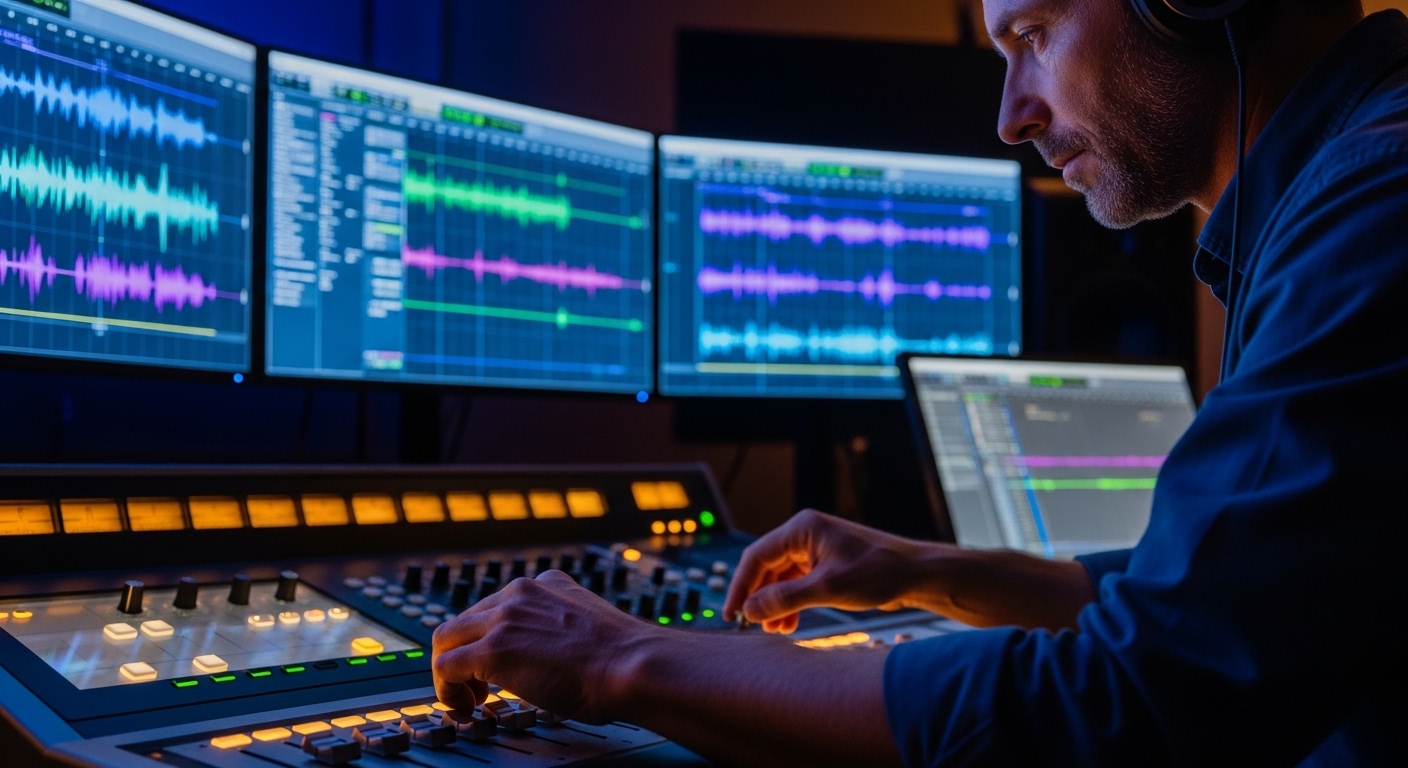
Alright, let's cut through the static, because I've spent thousands of late nights glued to the monitor, finessing every millisecond of audio, tweaking faders 'til my eyes water, and carving out that perfect vocal EQ. And let me tell you, when you're crafting radio ads, promo stingers, or even just a tight station ID, the difference between a pristine, high-fidelity voice and a muddy, background-noise-ridden home recording isn't just noticeable – it's criminal. We're talking about an 'acoustic chasm' that swallows your message whole. The raw truth is, listeners don't give a toss about your DIY spirit if their ears are battling room reverb and a barking dog. They just switch off.
The Unseen Barrier: Noise vs. Neuro-Engagement
Think about it: the human ear, and more importantly, the brain, is a finely tuned instrument. When a voice track hits the airwaves, laden with the subtle hum of a fridge or the harsh sibilance from an untreated room, it creates a cognitive load. That's precious mental real estate your listener is wasting trying to decipher your message instead of absorbing your brand's unique selling proposition. But a voice, processed with fidelity that sings, with transient design that pops, and a crisp top-end that cuts through the musical bed like a hot knife through butter? That's pure audio magic. It's direct, it's engaging, and it sticks. We’ve seen it time and again in the studio; a nailed mix, where the vocal sits perfectly with the music and impact FX, just hits different. It's not just sound; it's psychology. That 40% boost in brand recall from professionally processed clarity isn’t just a number; it’s your ad budget working harder.
Creative Directors and the Cloud: A Match Made in Sonic Heaven
Now, I know what some of you old-schoolers are thinking: 'Where's the art in AI?' And fair dinkum, I'm all about the art. But here's the kicker: the new wave of ultra-realistic AI voices isn't here to replace the creative spark; it's here to supercharge it. Imagine a world where that killer script you just penned can be voiced, perfected, and dropped into a commercial break in minutes, not hours. Where directors can iterate on tone, pace, and emotion without re-booking talent or battling dodgy home studio acoustics. This isn't about surrendering artistic control; it's about amplifying it. It's about taking the drudgery out of audio engineering – the gain peaks, the endless de-noising – and letting tools like SONODIT's intelligent radio assistant handle the cloud-based heavy lifting, ensuring master fidelity across every single spot. It's about freeing up the creative brain to focus on *what* to say, not *how* to make it sound decent.
The future of radio production isn't a battle between human and machine; it's a seamless synergy where creative vision meets algorithmic precision. By embracing cloud-processed, high-fidelity voices, we're not just making life easier for ourselves; we're crafting more memorable, more effective radio that genuinely resonates with the listener, driving unprecedented brand recall and giving every commercial break the professional sheen it deserves.
Estúdio de Rádio Inteligente
Give the smart Aussie AI radio producer a spin today!