The Three-Second Massacre: How Modern Radio Spots Die Before They Even Start (And How to Resurrect 'Em)
Forget filler, mate. In a world of fleeting attention, we’re talking about the surgical precision of dynamic compression and killer copywriting. It's about nailing that instant, unforgettable punch that stops listeners from flicking the dial, all within a brutal 15-second window. This is the real talk from an audio fanatic.
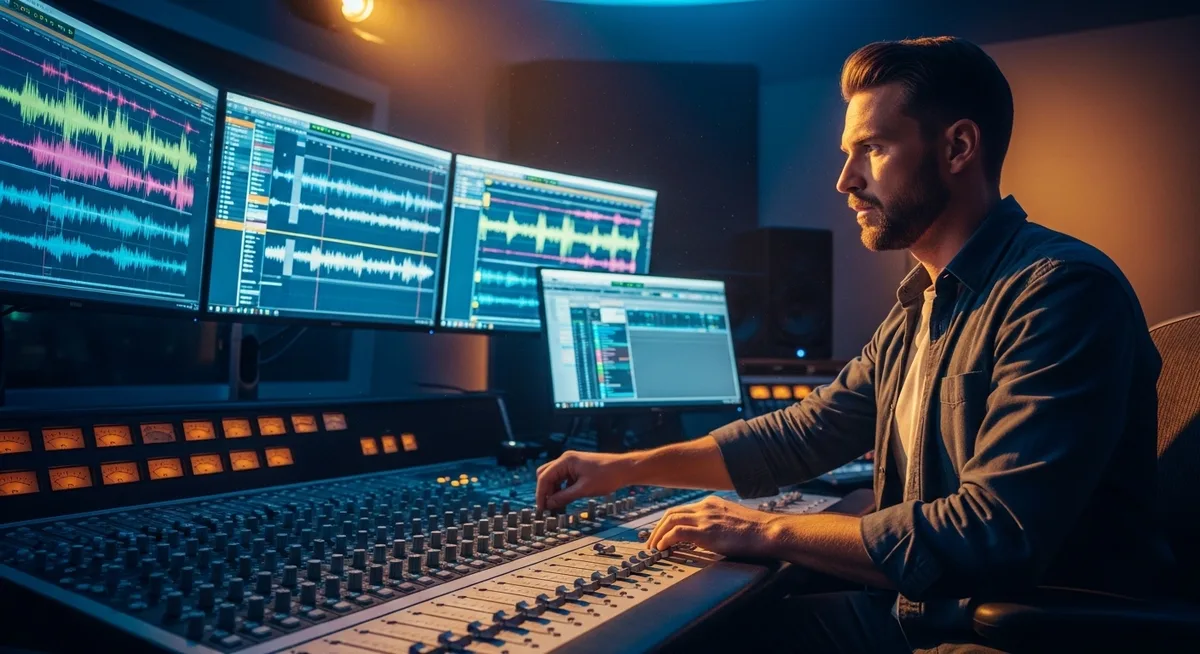
Alright, let’s cut through the static, blokes and sheilas. If you're still churning out radio ads that don't grab a listener by the ears in the first three seconds, you're not just wasting airtime; you're throwing money down the drain. The modern ear is ruthless. It's been spoiled by endless streaming options and instant gratification. If your commercial break doesn't hit 'em with an 'impact FX' that makes 'em sit up, or a 'voice track' so energetic it practically jumps out of the speakers, they're gone. It’s that simple, that brutal. We're talking about microseconds here, the invisible line between conversion and complete oblivion in today’s 'tanda comercial'.
Dynamic Compression: The Unsung Hero of Auditory Retention
This isn't about just making things loud. Any rookie can slam a limiter and clip the 'gain peaks'. We're talking about the art of dynamic compression – sculpting sound with the precision of a surgeon. It's about creating space for that 'energetic locution' to breathe while keeping the 'bed music' (cortina) and 'impact FX' locked in a 'tight mix'. You need crisp 'top-end frequencies' that sparkle without sounding harsh, and 'punchy transients' that drive the message home without saturating the entire spectrum. It’s the difference between a muddy mess and a 'master fidelity' production that cuts through the noise. Every syllable, every sound effect, every 'delay tail' needs to be meticulously placed and treated to ensure maximum persuasive impact. This isn't just a technical exercise; it's a psychological one.
The Power of a Polished Voice Bank: Conversion Metrics Don't Lie
And speaking of psychology, let's talk 'voice banks'. The 'warmth and fidelity' of the voices you use are absolutely paramount. A well-chosen, expertly recorded, and perfectly 'EQ'd and compressed' voice conveys authority, trust, and professionalism. Shoddy audio, uneven levels, or an uninspired delivery? That screams amateur hour, and listeners associate that with the brand you're pushing. We’ve seen the conversion metrics; a 'radio ad' with a top-tier voice, processed with surgical precision, consistently outperforms its lacklustre counterpart. It's not just about what's said, but how it's *heard*. And for those of us who've spent thousands of nights glued to the monitor, grinding out that perfect sound, it’s refreshing to see intelligent cloud tools like SONODIT automating this complex engineering, delivering that flawless, high-impact sound in seconds. It means less time tweaking faders and more time crafting truly unforgettable messages.
In the ferocious landscape of modern radio, the first three seconds are your only chance. Master the blend of compelling copywriting and surgical dynamic compression, and you'll not only capture attention but drive genuine conversion. Ignore this, and your message becomes just another piece of forgotten noise.
Smart Radio Studio
Give the smart Aussie AI radio producer a spin today!