The Loudness War's Silent Killer: Why Crushing Your Radio Spots Kills Engagement (and How to Dominate the Airwaves Instead)
G'day, fellow sound obsessives! We've all been there: a radio spot that's been brick-walled into oblivion, losing all its punch and fizz. On mobile, it's even worse. Discover why raw loudness sabotages your message and how smart, dynamic processing is the secret weapon for brand recall and listener retention.
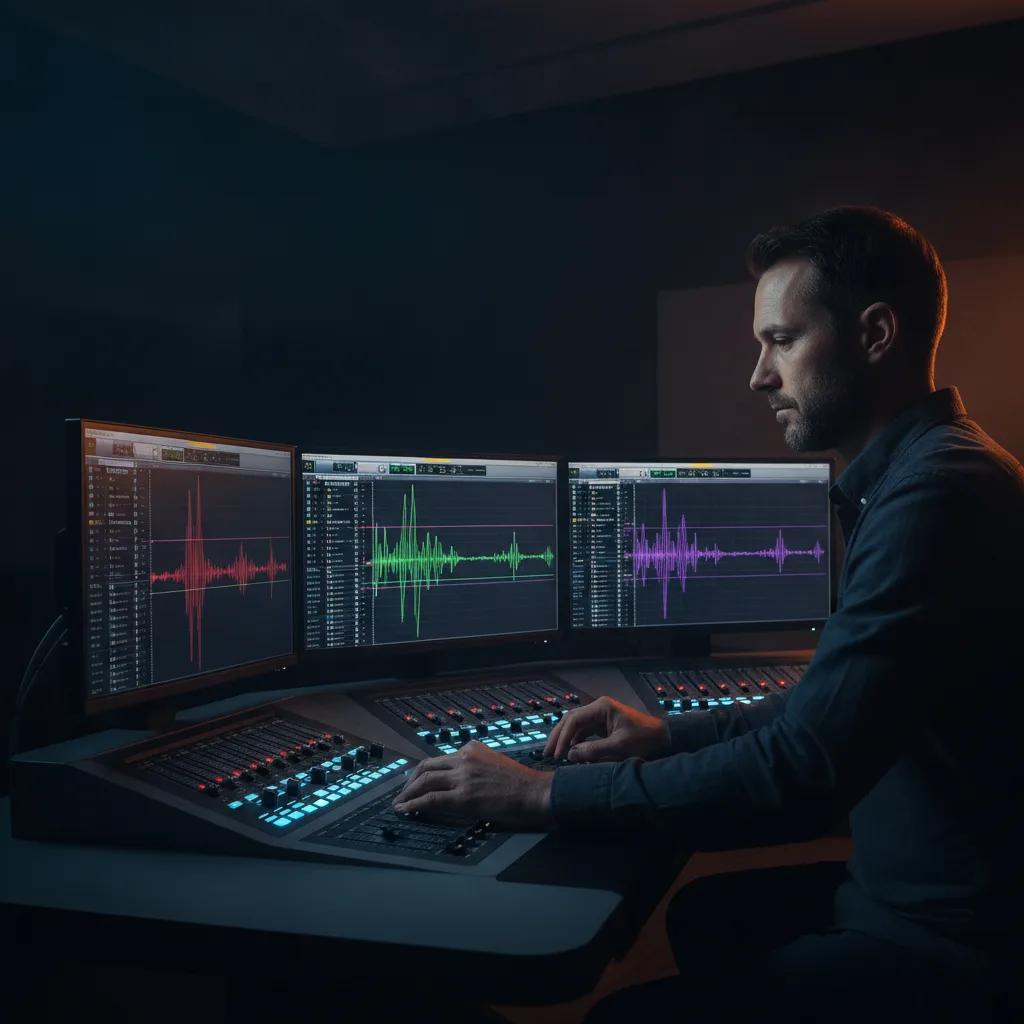
Righto, let's talk shop. For years, I've spent more nights than I can count glued to the console, tweaking faders, EQ'ing voice tracks 'til they practically sing, and carving out that perfect sonic landscape. My passion? Making every single radio ad, every imaging piece, every bloody station ID, hit harder than a fresh wave at Bells Beach. But there's a problem brewing, especially in this mobile-first world, and it's the dreaded 'Loudness War' – a battle where everyone thinks 'louder' means 'better'. Fair dinkum, it's often the opposite, mate, especially when you're mashing your mix to the limits.
See, when you take a beautifully crafted mix, with its crisp top-end frequencies and a vocal that sits perfectly, and then you just slam a brick-wall limiter on it for maximum perceived loudness, you're killing it. You strip out the dynamic range, flatten the transients, and turn what should be a punchy message into a fatiguing, distorted mess. On a phone speaker or a set of earbuds, that over-compressed radio spot sounds cheap, thin, and utterly ignorable. It’s like pouring a premium brew into a cracked glass – all the good stuff's gone. We're talking about losing that vital 'breathe' in the voice, the 'thump' in the music bed, and the 'pop' in your carefully designed impact FX.
And let's be real, modern listeners have the attention span of a gnat on a hot tin roof. If your radio ad doesn't grab 'em in the first three seconds, it's done for. No 'pisador', no energetic voice-over that hits hard from the jump, no killer impact FX at the top of that 'tanda comercial'? They're tuning out. That initial 'wow' factor, that perfect transient design, isn't just a luxury; it's a non-negotiable for retention. It's about designing audio that cuts through the noise without being aggressive, using intelligent processing to balance volume with dynamic impact. We're talking about a professionally processed message that's clear, engaging, and sticks in the brain.
This isn't just my gut feeling from years in the trenches. Field studies on radio consumer psychology show that message clarity from professionally processed audio can boost brand recall by up to 40%. That's huge! It’s about achieving that perfect balance where every element, from the 'cortina' to the main voice track, has its place and purpose. And the good news? Intelligent audio tools are here to help. Modern cloud-based solutions, like SONODIT's smart radio assistant, can automate this intricate engineering in seconds, delivering that impeccable, broadcast-ready sound with optimal loudness and preserved dynamics, so your spots always cut through and connect, no matter the listening device.
The bottom line: raw loudness is a trap. True sonic dominance comes from intelligent, dynamic processing that respects your mix, captures attention instantly, and ensures your brand message is not just heard, but remembered. Give 'em punch, give 'em clarity, and they'll give you their ears.
Smart Radio Studio
Give the smart Aussie AI radio producer a spin today!